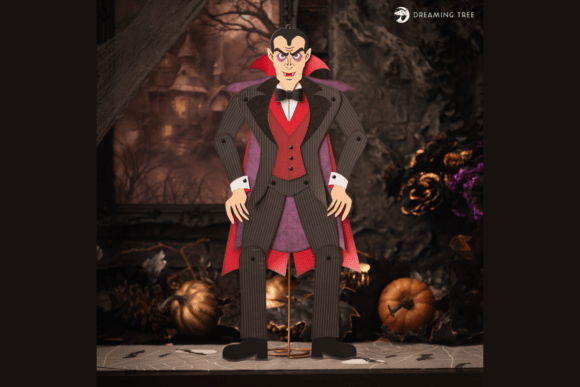
Jointed Dracula SVG Design Guide
Transforming static digital files into dynamic, interactive experiences is a cornerstone of modern graphic design. The Jointed Dracula SVG exemplifies this shift, offering designers a unique blend of traditional papercraft aesthetics and versatile digital usability. This poseable, layered character is not merely a seasonal decoration; it is a sophisticated creative asset that demonstrates the power of modular design in visual communication.
The Role of Modular Assets in Visual Design
In professional brand identity and digital marketing, flexibility is key. A rigid design often fails to adapt across various platforms, from social media graphics to large-format print. The Jointed Dracula SVG addresses this by providing a fully layered structure. Each limb and feature is distinct, allowing for infinite customization. This modularity mirrors best practices in UI design and web design, where components must be reusable and adaptable to different screen sizes and user interactions.
For creators exploring design trends, the appeal lies in the tactile quality of the output. Even though the source is digital, the final result evokes the warmth of handcrafted art. This hybrid approach enhances user engagement because it feels personal and authentic, a crucial factor in building trust with audiences in both editorial design and commercial advertising.
Practical Applications for Creative Professionals
Beyond holiday décor, this type of scalable vector graphic serves multiple functions in a designer’s workflow. Here is how you can leverage such assets in your creative projects:
- Social Media Content: Use the movable limbs to create stop-motion animations or carousel posts that tell a story, boosting interaction rates.
- Packaging Design: Incorporate the silhouette into limited-edition product packaging to create a memorable unboxing experience.
- Merchandise: Apply the clean lines to t-shirts, tote bags, or stickers, ensuring high-quality reproduction thanks to the vector format.
- Educational Materials: Utilize the jointed nature of the design for interactive children’s books or classroom activities focused on anatomy or movement.
Optimizing Your Design Workflow
To maximize the potential of the Jointed Dracula SVG, attention to detail in preparation is essential. The design is optimized for 12″×12″ cutting machines, but its true value lies in its scalability. When resizing for print design or large displays, maintain the aspect ratio to preserve the visual hierarchy and proportion of the character.
Color selection plays a pivotal role in the final impact. The recommended supply list includes specific shades like Peach Sherbet, Jet Black, and Red Pearlescent paper. In a digital context, this translates to a carefully curated color palette. Consistency in color usage strengthens branding and ensures the design remains cohesive across different media. For instance, using the Lead and Snowy White tones can create a striking contrast that improves readability and visual appeal in presentation decks or logo design concepts.
Ensuring Professional Quality and Usability
When integrating complex SVGs into your design workflow, compatibility is non-negotiable. This file format ensures smooth operation with all major electronic cutting machines and design software. However, the inclusion of a PDF legend is a thoughtful touch that streamlines the assembly process. It acts as a guide, much like a style guide in corporate branding, ensuring that every element is placed correctly.
For those focused on modern aesthetics, the clean lines and precise cuts of the SVG contribute to a polished look. Whether you are working on packaging design or creating custom digital products, the precision of vector graphics ensures that edges remain sharp regardless of scale. This reliability is vital for maintaining a professional presentation in client deliverables.
Ultimately, the value of a resource like the Jointed Dracula SVG extends beyond its immediate use. It serves as a case study in effective visual communication. By combining interactivity with aesthetic appeal, it demonstrates how thoughtful design choices can elevate simple materials into engaging experiences. Embracing such versatile assets allows designers to push boundaries, creating work that is not only visually stunning but also functionally robust and deeply connected to audience expectations.